Insider Tips from Locals: How to Experience North Captiva Island Like a Resident
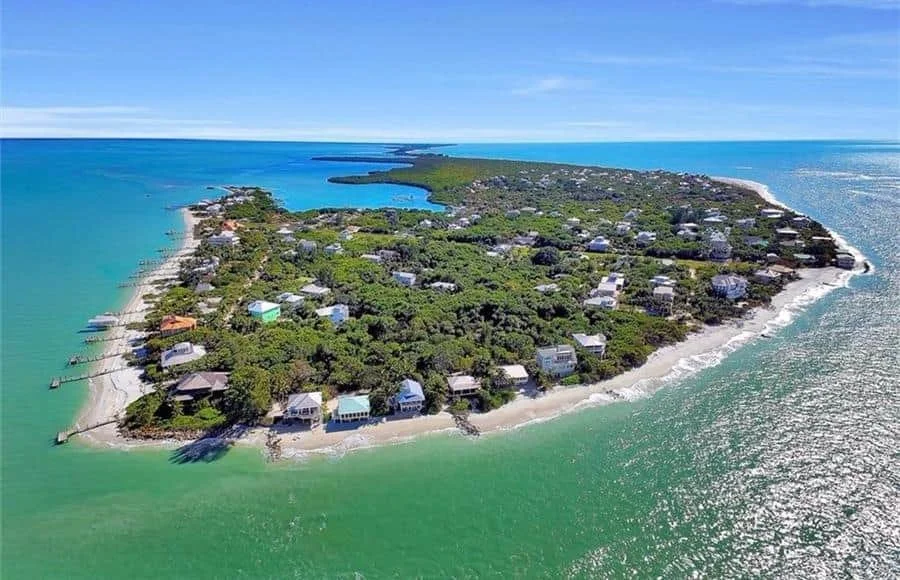
Ask any year-round islander what makes North Captiva Island special, and you’ll rarely hear them talk about “must-see attractions.” They’ll talk about rhythms. Early beach walks before anyone else is up. The quiet hum of golf carts instead of traffic. Watching dolphins move through the water while you drink your morning coffee.
If your usual vacations involve crowded resorts and busy roads, North Captiva Island feels like a different world. This car-free barrier island sits just off the coast of Florida in the Gulf of Mexico. It’s only accessible by boat, and once you’re here, golf carts and your own two feet become the way you get around.
Vanage Vacation Homes leans into that slower, lived-in pace. Their North Captiva collection is designed to feel like a home base, not just a place to sleep, with screened porches, easy beach access, and spaces that actually work for families.
This guide walks you through how to experience North Captiva Island like a local, from shelling and wildlife to quiet evenings on the porch.
1. Understand What Makes North Captiva Island Different
North Captiva Island isn’t just another “quiet beach town.” A few things shape daily life here:
No cars, no bridges, a storm in 1921 opened Redfish Pass and physically separated North Captiva from Captiva Island, leaving North Captiva accessible only by boat. That hasn’t changed.
Golf carts are the “family car”; electric carts and bikes are the norm for getting around. There are no traffic lights or busy four-lane roads, just sandy paths and narrow lanes.
Half the island is preserved; roughly half of North Captiva is state-owned conservation land, so it feels more like a nature preserve with some neighborhoods, rather than the other way around.
All of that changes your vacation. You won’t be racing between attractions; you’ll be moving at island speed walking, shelling, watching the tide, and planning your day around simple things like sunrise, low tide, and sunset.
2. Get To The Island The Way Locals Do
Even longtime visitors will tell you: your experience starts before you ever step onto North Captiva.
Plan Your Arrival Around The Ferry Or Water Taxi
Because there’s no bridge, you’ll arrive by:
passenger ferry from the mainland
private boat
or occasionally by small plane with prior approval
Locals think of the ferry schedule as the “clock” that runs the island. A few simple tips:
Book your crossing early, especially during school breaks and holidays.
Time your arrival and departure ferries with your check-in and check-out times.
Do Your “Big Shop” On The Mainland
Year-round residents are pros at stocking up before they cross. You’ll want to:
Hit a major grocery store on the mainland for the bulk of your food.
Think in meals, not snacks. Plan breakfasts and dinners you actually want to cook.
Leave room for treats from local island spots, but don’t count on eating out every meal; options are limited and hours can be seasonal.
Many Vanage guests use their vacation home kitchen as the hub for family breakfasts before the beach, simple dinners after sunset, and easy snacks in between. Vanage homes in North Captiva are set up with full kitchens and outdoor spaces, so you’re not trying to prep a meal in a tiny hotel kitchenette.
3. Follow Golf Cart And Trail Etiquette
On an island with no cars, golf carts and bikes are the main means of transportation. That doesn’t mean “anything goes.”
Local etiquette and guidelines emphasize:
Slow speeds. Keep carts under 15 mph and slower near homes and shared facilities.
Yielding to people on foot. Pedestrians have the right of way; passing walkers or kids on bikes should be done slowly.
Lights at night. With almost no streetlights, you’ll rely on your cart’s headlights after dark for you and for anyone walking nearby.
Respecting quiet. Locals think of evenings as “porch time”: talking quietly, listening to wildlife, letting kids wind down. Late-night cart races and loud music don’t fit here.
Golf carts are not allowed on the beaches, and no kids are allowed to drive carts.
When you stay in a Vanage home, you’ll have easy access to a private cart and a clear orientation to the local rules, which makes it much easier to blend in and feel at home quickly.
4. Shell The Beaches Like Someone Who Lives Here
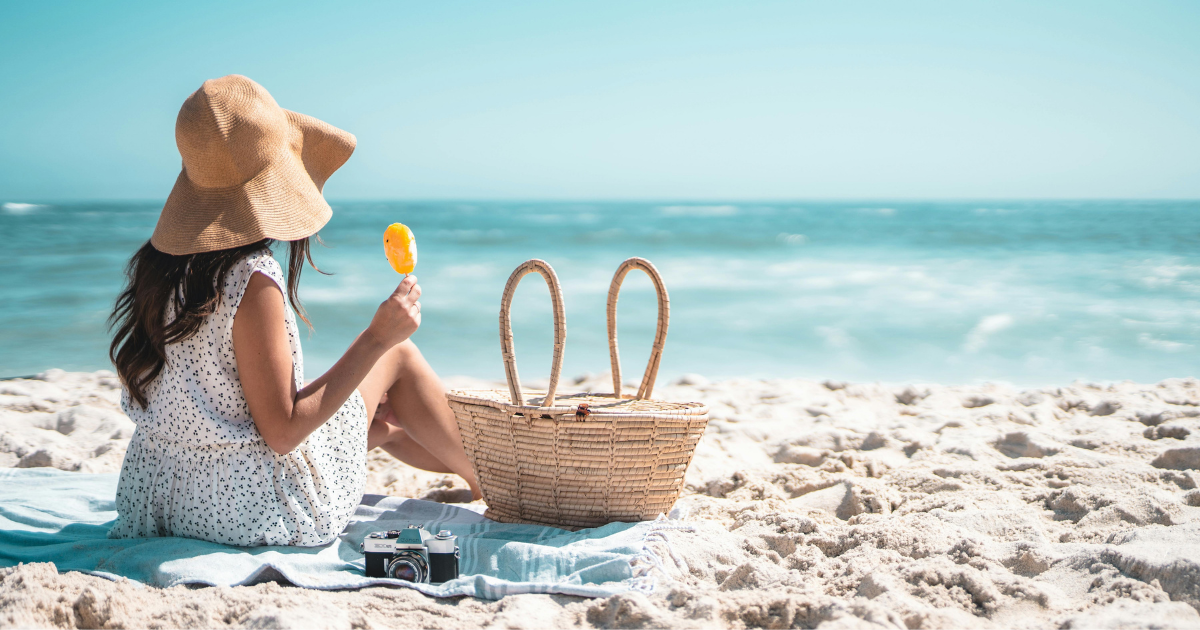
Shelling is practically a daily ritual on North Captiva Island. Locals time their walks to the tides and seasons.
Know When To Go
For the broader Captiva and North Captiva area, the best shelling is usually:
During the winter and spring months (December–May)
At low tide, when more of the beach is exposed, and fresh shells are visible
Local tip: Check the tide chart the night before. Plan your early-morning walk to start just before low tide for the best chance at new finds.
Respect The “Live Shell” Rule
In Lee County, which includes Captiva and surrounding islands, it’s illegal to collect shells that still have a living creature inside, including live sand dollars, starfish, and sea urchins.
A quick local habit:
Pick up the shell.
Check for movement, soft tissue, or anything attached.
If there’s any sign of life, gently put it back at the waterline.
This isn’t just about rules; it helps protect the ecosystem that makes the shelling so good in the first place.
5. Treat Wildlife As Neighbors, Not Entertainment
Because half the island is preserved land and the waters around it are rich estuaries, wildlife isn’t a special excursion; it’s part of everyday life here.
Visitors frequently see:
bottlenose dolphins cruising just offshore
gentle manatees near canals and docks
nesting sea turtles on the beaches in season
gopher tortoises, box turtles, rabbits, and more than 150 bird species, including ospreys and pelicans
Locals keep a few simple rules:
Watch from a distance, especially for manatees and dolphins.
Give marked turtle nests plenty of space and keep lights low on the beach at night during nesting season.
Never feed wildlife, even water to friendly manatees.
If you’re staying in a home like Vanage’s Lookout Escape, you can often spot dolphins or seabirds right from the lookout deck or screened porch, which gives you those close moments without crowding the animals themselves.
6. Why North Captiva Feels So Calming (The Science Behind Blue Spaces)
That “I can finally breathe” feeling you get on North Captiva Island isn’t just in your head. Researchers talk about “blue spaces,” places near oceans, lakes, rivers, and bays, and how they affect our health.
A Few Findings
A narrative overview of blue-space research found that visiting water for recreation at least once a week was associated with better mental health, especially lower stress and improved mood.
A large 2023 review from the UK’s National Institute for Health and Care Research concluded that green and blue outdoor spaces can improve mental well-being through reduced stress, more social contact, and cognitive recovery.
A 2025 sustainability study reported that regular visits to blue spaces are linked with higher subjective well-being and may even help prevent some chronic health conditions by encouraging physical activity.
Other work shows that people who spent more time playing in and around water as children tend to report better mental health in adulthood.
In Plain Terms
Time near water helps our nervous systems downshift. Beach walks, listening to waves, and even sitting on a porch looking at the Gulf can lower stress and gently improve mood and sleep. That makes North Captiva’s slow mornings, quiet nights, and car-free pathways more than “relaxing”; they’re genuinely good for your body and mind.
7. Choose A Home That Supports How You Actually Want To Live
One of the biggest differences between visiting like a tourist and living like a local is where you stay.
Vanage focuses intentionally on full vacation homes built around the way families and groups really use the island:
Beachfront and near-beach locations. Homes like Casa Blanca and Gypsy Wind sit right the sand, so sunrise shelling or sunset swims are part of your daily routine, not a special outing.
Functional space for families. Properties sleep 6–12 guests, often with multiple gathering areas so grandparents, parents, and kids each have their own corner.
Homes made for “porch time.” Lookout Escape, for example, offers a lookout deck with ocean views, a screened wrap-around porch for coffee and board games, and a private outdoor bar for evenings after the beach.
Ready-to-use amenities. Instead of scrambling for gear, many homes include the essentials for island life: beach chairs, carts or wagons, and well-equipped kitchens.
Choosing the right home means you’re not fighting your space all week; everything from naps to meals to morning shell hunts fits naturally into the house and the island’s rhythm.
8. A “Live Like A Local” Day On North Captiva Island
To pull this all together, here’s what a day on North Captiva Island might look like when you’re living more like a resident than a tourist.
Early Morning
You wake up just before sunrise in your Vanage home, make coffee in the kitchen, and step onto the deck to check the sky and breeze. Low tide is coming up, so you grab a shell bag, slip on sandals, and walk down to the beach while it’s still quiet.
The sand is cool, the light is soft, and you can hear nothing but waves and the occasional call of a bird. You walk slowly, checking each shell for signs of life before adding it to your bag, then sit for a few minutes just watching the Gulf.
Late Morning
Back at the house, the rest of the family is waking up. You make an easy breakfast together, then load a few things into the golf cart for a ride down the island. You wave at neighbors, slow for walkers, and stop to watch a pod of dolphins arcing just offshore at Dolphin Beach.
Afternoon
Midday is for shade and stillness. Some people nap, some read on the screened porch, and others head to the water for a short swim or paddle. You might take the kids on a short nature walk, keeping an eye out for turtles or interesting birds in the preserve areas.
Sunset
As the late afternoon cools down, you head back to the beach or up to the lookout deck. You watch the sky turn from gold to pink to deep blue, listen to the waves, and feel that familiar “exhale” that blue-space researchers talk about.
Dinner is simple, maybe grilled fish and vegetables at home. Afterward, you take one last quiet walk under a sky full of stars, with no traffic noise, no streetlights, and nothing but the sounds of the island around you.
That’s what “like a local” really means here: not a checklist of attractions, but a way of moving through the day that leaves space for calm.

Ready To Experience North Captiva Island Like A Resident?
If you’re craving a slower, more grounded kind of beach trip, one where kids remember sandcastles and dolphin sightings more than crowded parking lots, North Captiva Island delivers. Its car-free paths, preserved wild spaces, and tight-knit neighborhoods make it easy to unplug and actually feel present with the people you’re traveling with.
The right home is what turns that from an idea into reality. Vanage Vacation Homes curates some of the island’s most thoughtfully designed properties, from beachfront hideaways to family-size retreats with porches, decks, and plenty of room to breathe.
When you’re ready to start planning, explore the North Captiva collection athttp://www.stayvanage.com and find the home that feels like your place on the island.
