Fishing in North Captiva Island: Best Seasons by Fish Type
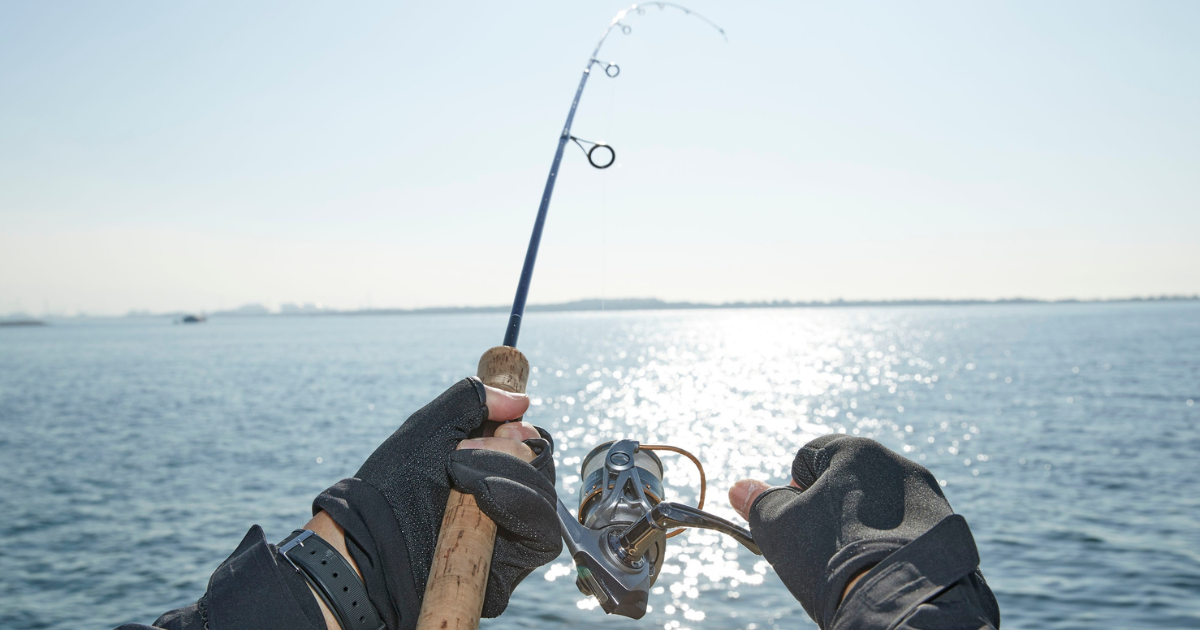
If you’re planning a trip to North Captiva Island, fishing is more than just an activity; it’s part of the rhythm of the island. Surrounded by the Gulf of Mexico, Pine Island Sound, and nearby passes, this quiet barrier island offers year-round fishing opportunities that appeal to beginners and seasoned anglers alike.
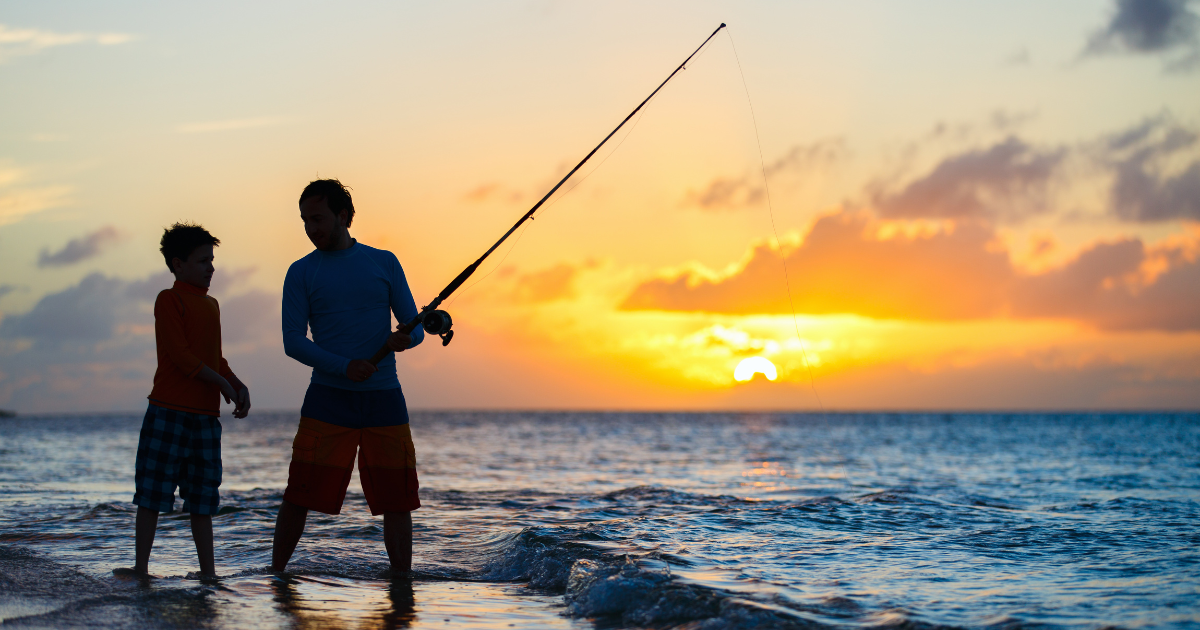
For families staying with Vanage Vacation Homes, fishing can be as simple as casting a line from shore at sunset or as adventurous as booking a local guide for a half-day adventure. Below, we’ll walk through the best seasons by fish type, explain why certain species peak at certain times, and help you plan a fishing-friendly stay on North Captiva Island.
Why North Captiva Island Is a Fishing Destination
North Captiva Island sits along Florida’s southwest coast, near Pine Island Sound and the Gulf of Mexico. This region supports a mix of inshore, nearshore, and offshore species thanks to:
Warm subtropical waters
Seagrass beds and mangroves
Tidal passes
Seasonal bait migrations
According to fisheries research from the Florida Fish and Wildlife Conservation Commission, Southwest Florida’s estuaries serve as nursery grounds for many popular sportfish species. That means fish are not just passing through; they are feeding, spawning, and growing here.
For visiting families, that translates into consistent opportunities throughout the year.
Best Fishing Seasons by Fish Type in North Captiva Island
Below is a season-by-season guide to the most sought-after fish around North Captiva Island.
Snook (Peak: Spring & Fall)
Snook are one of the most popular sportfish in Southwest Florida. They’re known for their strong runs and distinctive black lateral line.
Best Months
March–May
September–November
Snook prefer warm water and often gather near passes and beaches during seasonal migrations. In spring and fall, water temperatures typically range between 70°F and 85°F, which aligns with their preferred feeding range.
You’ll often find snook near:
Mangrove shorelines
Dock lights at night
Sandy beach drop-offs
Keep in mind that Florida regulates snook seasons carefully to protect spawning populations, so always check current regulations through the Florida Fish and Wildlife Conservation Commission before harvesting.
Redfish (Peak: Fall)
Redfish, also called red drum, are known for their bronze coloring and distinctive tail spot.
Best Months
August–November
Fall is especially productive around North Captiva Island because redfish gather in shallow flats and along mangrove shorelines. As water temperatures gradually cool, redfish feed actively.
Redfish tolerate a range of salinity levels, which is one reason they thrive in Pine Island Sound’s estuarine system.
For families staying on the island, redfish are often accessible via:
Kayak fishing
Shoreline casting
Guided inshore charters
Tarpon (Peak: Late Spring & Early Summer)
Tarpon are often referred to as the “silver king.” They migrate along Florida’s Gulf Coast each year.
Best Months
April–July
During this time, large tarpon move through nearby passes and along beaches. Their migration is closely tied to water temperature and bait movement. Research from NOAA Fisheries indicates that tarpon migrations are influenced by seasonal warming trends and tidal flow patterns.
Tarpon fishing typically requires:
Live bait
Patience
A sturdy rod
While tarpon are catch-and-release only in most cases, the experience itself is memorable, especially for adventurous families and multi-generational travelers.
Seatrout (Peak: Spring & Early Summer)
Seatrout are common in seagrass flats throughout Pine Island Sound.
Best Months
March–June
These fish thrive in healthy seagrass ecosystems, which are abundant around North Captiva Island. Studies show that seagrass coverage plays a significant role in supporting juvenile fish populations.
Seatrout are often considered beginner-friendly because:
They are abundant
They respond well to artificial lures
They are commonly found in shallow water
They are a good choice for mothers traveling with teens or older children seeking a manageable yet exciting fishing experience.
Snapper (Peak: Summer)
Snapper are another offshore favorite.
Best Months
June–August
Red snapper seasons are carefully regulated in federal and state waters. However, mangrove snapper can be caught more consistently around nearshore structures and bridges.
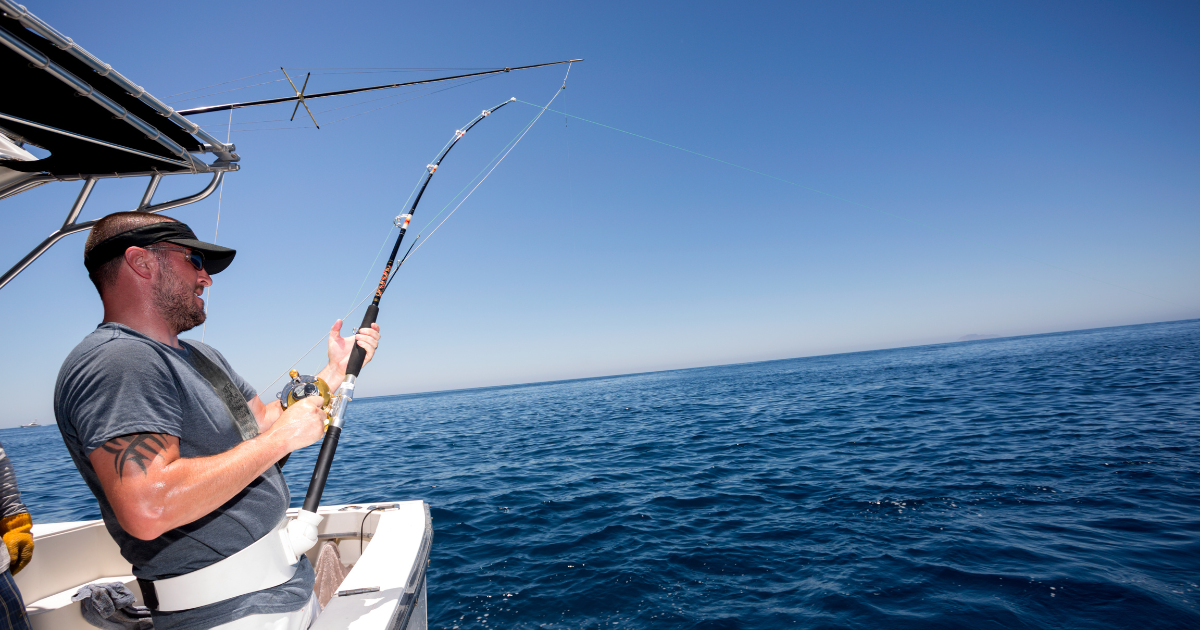
Summer brings calm Gulf conditions more frequently, making offshore trips more accessible for families.
Seasonal Fishing Overview at a Glance
Winter (Dec–Feb): Sheepshead, seatrout
Spring (Mar–May): Snook, seatrout, early tarpon
Summer (Jun–Aug): Tarpon, snapper
Fall (Sep–Nov): Redfish, snook
One of the advantages of North Captiva Island is that there is no single “bad” fishing season. Instead, species rotate based on migration and spawning cycles.
Shore Fishing vs. Charter Fishing on North Captiva Island
Shore Fishing
North Captiva Island’s beaches offer opportunities for:
Snook (seasonal)
Pompano (winter/spring)
Whiting
Early mornings and evenings are typically most productive.
Inshore Charters
Local captains often focus on, or catch them all for an “inshore slam!”:
Redfish
Snook
Trout
Inshore waters are calmer and suitable for families.
Offshore Charters
For those seeking grouper or snapper, offshore charters head into the Gulf. These trips are weather-dependent and typically half- or full-day excursions.
Fishing and Family Travel on North Captiva Island
North Captiva Island has a different pace than many Florida beach destinations. There are no high-rise buildings, no traffic congestion, and no commercial distractions. That slower environment pairs naturally with fishing.
For mothers planning multi-generational trips, fishing offers:
Early morning quiet time
A shared learning experience
A way to introduce children to conservation
Florida’s fisheries management system, supported by scientific stock assessments and seasonal regulations, helps maintain sustainable fish populations. That means today’s visitors can enjoy fishing while protecting tomorrow’s ecosystem.
Tips for Planning a Fishing-Focused Stay
1. Check Regulations Before Arrival
Visit the Florida Fish and Wildlife Conservation Commission website for updated seasons and size limits.
2. Ask Local Captains About Current Conditions
Fish patterns shift based on tides, rainfall, and water temperature.
3. Book Accommodations Close to Access Points
Staying in a centrally located vacation home makes early morning departures easier.
4. Pack Polarized Sunglasses
They reduce glare and help spot fish in shallow water.
Where to Stay: Vanage Vacation Homes on North Captiva Island
Fishing trips are better when your accommodations support relaxation. Vanage Vacation Homes offers thoughtfully maintained short-term vacation rentals on North Captiva Island, placing you near beaches, docks, and water access.
After a morning on the water, you can:
Return for lunch at your private rental
Clean your catch (where permitted)
Relax by the pool
Watch the sunset from a quiet deck
For families who love both beachcombing and fishing, staying on North Captiva Island allows you to blend shelling, wildlife watching, and angling into one trip.
Plan Your Fishing Season on North Captiva Island
Fishing in North Captiva Island changes with the seasons, but it remains rewarding year-round. Spring brings tarpon and seatrout. Summer offers snapper and grouper. Fall is known for redfish. Winter still delivers steady action for trout and sheepshead.
Understanding seasonal patterns helps you plan wisely and makes your time on the water more enjoyable.
If you’re organizing your next coastal getaway, consider aligning your travel dates with the fish species you’d most like to catch. Then secure a comfortable home base through Vanage Vacation Homes.
Explore available rentals and start planning your North Captiva Island stay today athttp://www.stayvanage.com.
