
Guide to Shore Fishing on North Captiva Island
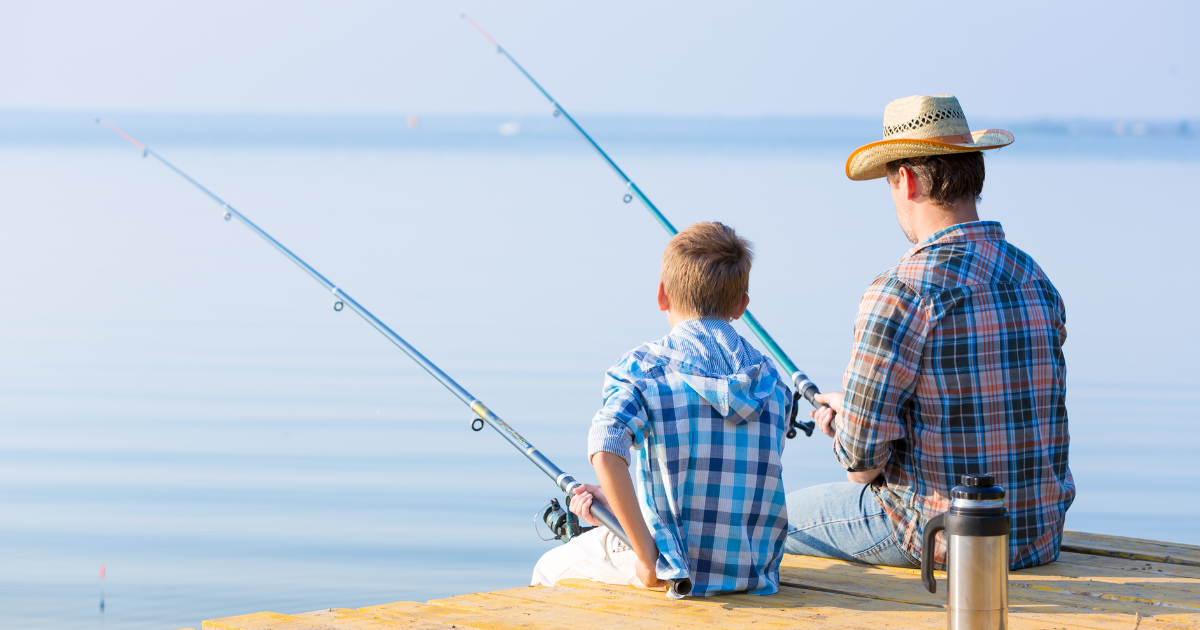
If you’ve ever walked along the quiet beaches of North Captiva Island, you’ve probably noticed someone standing barefoot at the shoreline, rod in hand, watching the tide. Shore fishing here isn’t flashy. It’s simple, peaceful, and surprisingly productive.
For many families visiting the island, it becomes one of the most memorable parts of their trip. You don’t need a boat. You don’t need advanced gear. You just need a little knowledge, patience, and the right stretch of beach.
This guide will walk you through everything you need to know about shore fishing on North Captiva Island, from the species you’re likely to catch to when and where to cast.
Why Shore Fishing on North Captiva Island Is So Special
North Captiva Island sits along Florida’s Gulf Coast barrier island chain. Its beaches, and shallow surf zones create ideal habitats for coastal fish species.
Barrier islands like North Captiva act as protective buffers between the Gulf and inland estuaries. According to NOAA, these ecosystems support juvenile fish populations by providing food sources and calmer waters. That’s good news for shore anglers where bait gathers, predator fish follow.
Unlike busier fishing destinations, North Captiva Island offers:
Wide, uncrowded beaches
Limited boat traffic
Natural shorelines without heavy development
Access to both Gulf-facing surf and back-bay areas
For visitors staying with Vanage Vacation Homes, that means you can step out of your rental, walk to the beach, and cast within minutes.
What Fish Can You Catch from Shore?
You don’t need deep water to find fish here. The Gulf surf zone is active, especially during moving tides.
Common species caught from shore include:
Snook
Snook are strong fighters and often cruise close to the shoreline, especially during warmer months. They tend to gather near structural points, cuts in the sandbar, or areas where the current flows.
Redfish
Redfish are known for tailing in shallow water. They feed on crabs and shrimp along sandy bottoms and are frequently caught within casting distance of the beach.
Trout
Often found in slightly deeper troughs beyond the first sandbar. They’re active in cooler months and around moving tides.
Pompano
A favorite among shore anglers. Pompano feed in the surf on sand fleas and small crustaceans. They’re most common in spring and fall.
Spanish Mackerel
When bait schools move through, Spanish mackerel aren’t far behind. They’re fast, aggressive, and often caught with shiny lures.
The Florida Fish and Wildlife Conservation Commission (FWC) provides up-to-date size and bag limits. Always check regulations before keeping any catch.
Best Time of Day to Fish
Timing matters more than fancy equipment.
Early Morning
Sunrise is often the most productive. Fish feed actively in low light, and the beaches are quiet.
Late Afternoon to Sunset
Another strong window, especially during outgoing tides.
Moving Tides
Research from coastal fisheries studies consistently shows fish are more active during incoming or outgoing tides because water movement carries bait and oxygen.
If you can align your fishing with a rising tide around sunrise or sunset, you significantly increase your chances.
Reading the Beach: Where to Cast
One of the most helpful skills for shore fishing on North Captiva Island is learning to “read” the beach.
Look for:
Troughs: Slightly darker water just beyond the shoreline indicates deeper cuts. Fish patrol these lanes.
Sandbars with breaks: Waves breaking unevenly suggest gaps in the bar where fish move in and out.
Bird activity: Diving birds often mean baitfish are nearby.
Current seams: Areas where two water colors meet can concentrate feeding fish.
Even subtle changes in water depth can make a difference.
What Gear Do You Actually Need?
You don’t need a complicated setup. A simple surf rod between 7–9 feet works well for most situations.
Basic setup:
Medium spinning rod
3000–5000 size reel
10–20 lb braided line or monofilament
Fluorocarbon leader (especially in clear water)
Circle hooks (often required for certain species)
For bait:
Live shrimp
Frozen shrimp
Sand fleas (often found in the surf)
Cut bait
Artificial lures can work well too, especially jigs, soft plastics, and small spoons for mackerel.
Fishing with Kids on North Captiva Island
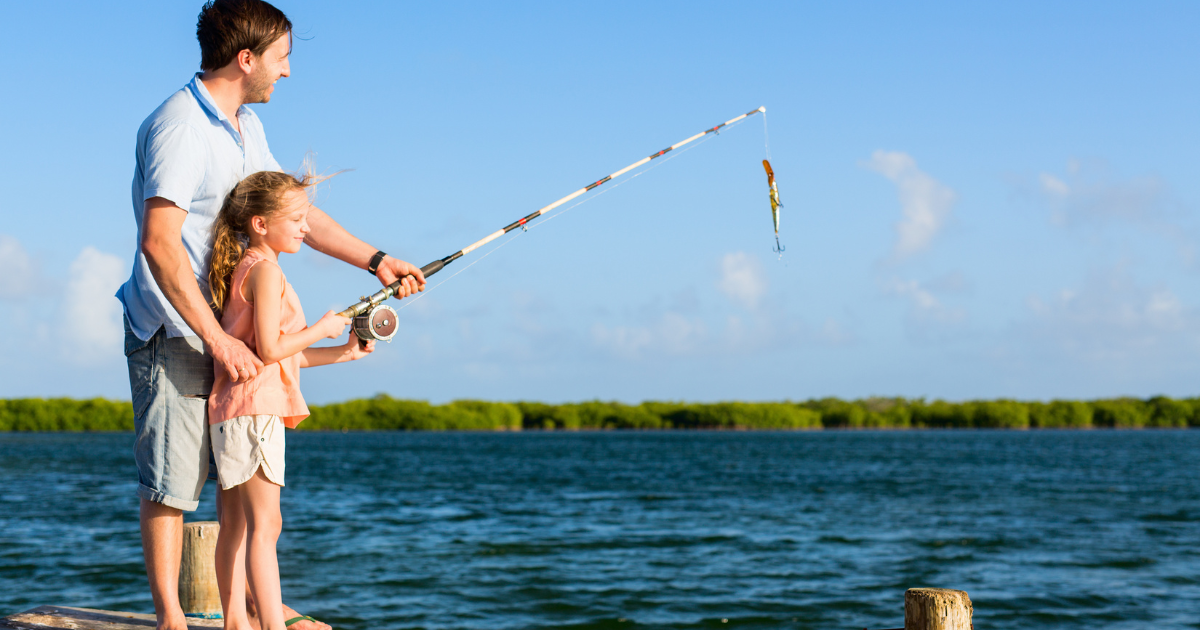
Many mothers visiting North Captiva Island bring children or grandchildren. Shore fishing is one of the most accessible outdoor activities for families.
Tips for fishing with kids:
Keep sessions short (30–60 minutes)
Focus on simple bottom rigs with shrimp
Celebrate small catches
Bring sunscreen and water
Watch tides and currents carefully
The island’s slower pace makes it easier to enjoy the experience without feeling rushed.
Seasonal Fishing Patterns on North Captiva Island
Understanding seasonal shifts helps set expectations.
Winter (December–February)
Cooler water brings trout and sheepshead closer to shore.
Spring (March–May)
Pompano runs increase. Spanish mackerel appear during bait migrations.
Summer (June–August)
Snook become more active. Early mornings are especially productive due to the heat.
Fall (September–November)
Redfish feed aggressively before winter. Water temperatures moderate, creating steady action.
Water temperature plays a major role in fish behavior. Studies in marine biology show many coastal species feed more actively within specific temperature ranges, often between 68 85°F, depending on species.
Shore Fishing Etiquette and Conservation
North Captiva Island’s beauty depends on responsible visitors.
A few simple guidelines:
Follow FWC size and bag limits
Practice catch-and-release when possible
Wet your hands before handling fish
Avoid dragging fish across dry sand
Dispose of fishing line properly
Marine debris, especially fishing line, can entangle birds and sea turtles. Keeping the beach clean protects the ecosystem that supports fishing here.
Licensing Requirements
Most visitors fishing from shore in Florida need a valid saltwater fishing license unless exempt. You can obtain one through the Florida Fish and Wildlife Conservation Commission website.
Short-term licenses are available for visitors, including 3-day and 7-day options.
Beyond the Beach: Exploring Other Fishing Spots
While Gulf-side surf fishing is popular, North Captiva Island also offers access to:
Bay-side waters
Dock fishing
Kayak fishing
Mangrove edges
For those staying at Vanage Vacation Homes, proximity to multiple shoreline environments gives you flexibility depending on tide and wind direction.
On windy Gulf days, back-bay waters may be calmer and more productive.
Making Fishing Part of Your Island Stay
Fishing on North Captiva Island isn’t about competition. It’s about rhythm, watching the tide shift, feeling the pull on the line, and noticing how the shoreline changes with light.
Many guests staying in Vanage Vacation Homes tell us their fishing mornings become part of their daily routine:
Coffee at sunrise.
A quiet walk to the beach.
Casting while the family sleeps.
Then returning with stories and sometimes dinner.
Because the island remains largely residential and undeveloped, the fishing experience feels personal and unhurried.
Safety Considerations
While shore fishing is generally safe, always be mindful of:
Rip currents
Sudden drop-offs
Changing weather
Stingrays in shallow water (shuffle your feet when wading)
The National Weather Service advises checking marine forecasts before extended beach activity, especially during summer storm season.
Shore Fishing on North Captiva Island
Shore fishing on North Captiva Island is simple, accessible, and deeply connected to the island’s natural rhythm. You don’t need a charter boat to experience meaningful fishing here. The beach itself provides opportunity.
Whether you’re teaching a grandchild how to cast, looking for a quiet morning alone, or hoping to catch fresh pompano for dinner, the shoreline offers something different every day.
If you’re planning your trip and want to stay close to the action, explore our homes on North Captiva Island athttp://www.stayvanage.com. At Vanage Vacation Homes, we offer premier short-term vacation rentals that place you steps from the beach and the next cast.
We’d love to welcome you to the island.
