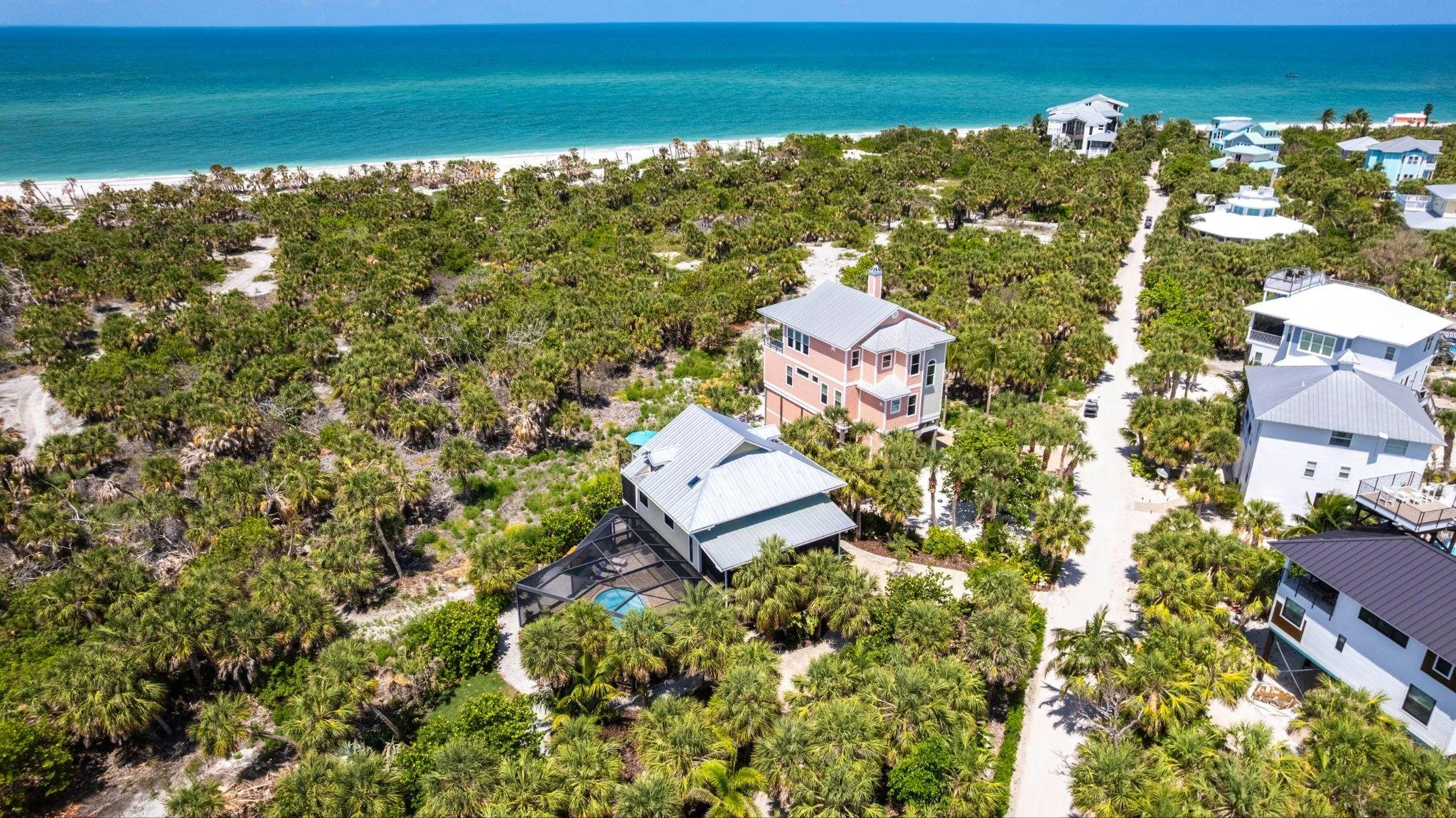
On North Captiva Island, nature is part of everyday life. Dolphins sometimes swim near passing boats, shorebirds search for food along the beach, and sea turtles visit the island's sandy coastline during nesting season.
Located off Florida's Gulf Coast, North Captiva is a quiet barrier island accessible by ferry, private boat, or charter. With no bridge connecting it to the mainland, the island offers a peaceful setting for families, wildlife enthusiasts, and travelers who enjoy spending time outdoors.
For guests staying with Vanage Vacation Homes, exploring the island's natural surroundings is one of the simplest ways to make lasting vacation memories.
Whether you're walking along the shoreline, fishing, kayaking, or relaxing near your vacation home, here's a closer look at the wildlife you might encounter.
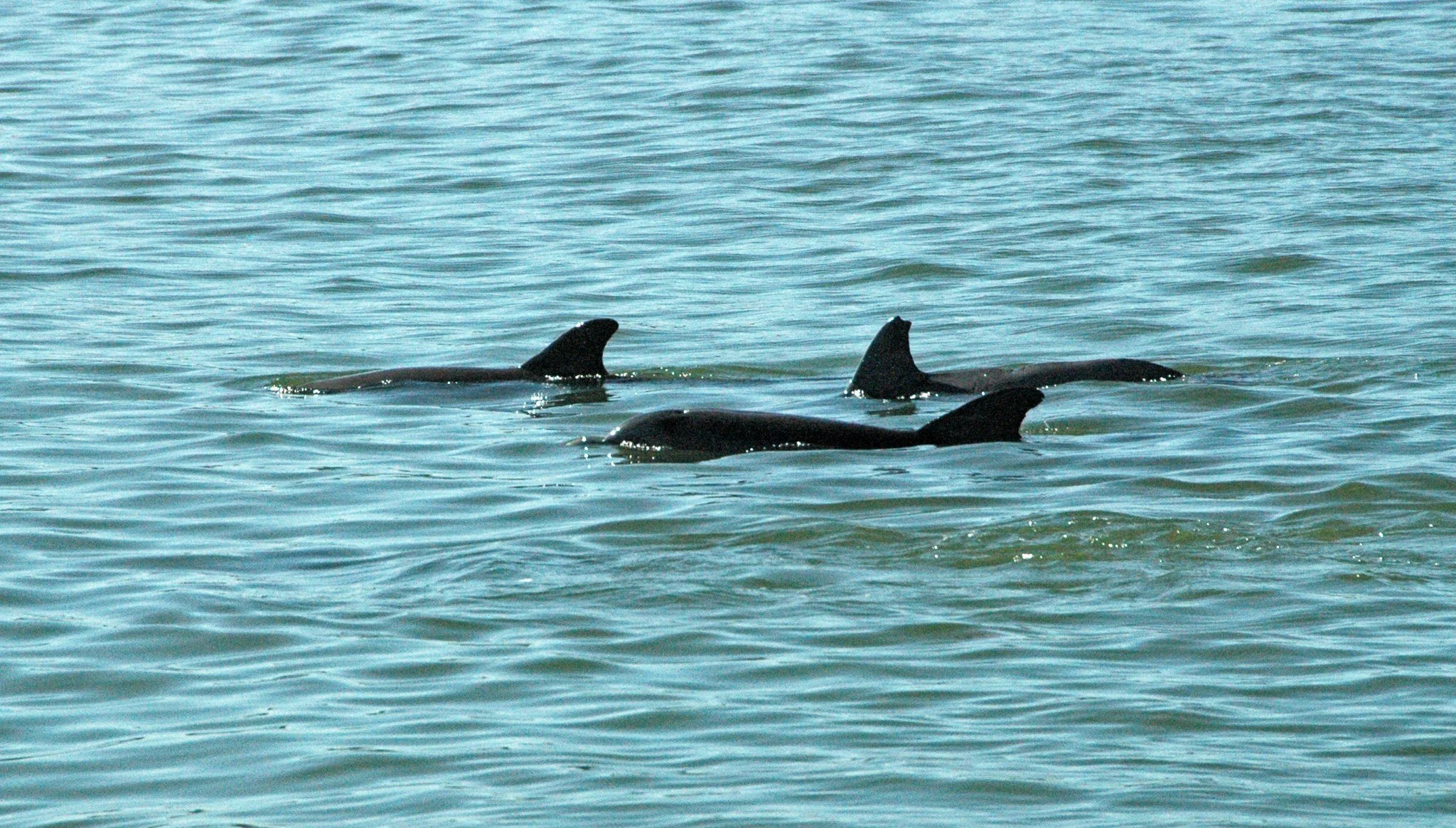
Photo: James St. John, CC BY 2.0, via Wikimedia Commons
1. Dolphins: Playful Visitors in Coastal Waters
One of the most exciting wildlife sightings around North Captiva Island is the bottlenose dolphin.
These intelligent marine mammals live in the coastal waters of southwest Florida and are often spotted around Pine Island Sound and nearby waterways.
You might see dolphins while traveling to the island by boat, kayaking through calm waters, or watching the Gulf from the beach.
Dolphins often travel in small groups and may surface several times before disappearing underwater.
Best places to look:
Coastal waters surrounding North Captiva Island
Pine Island Sound
Boat routes between the island and mainland
Research published in Philosophical Transactions of the Royal Society B shows bottlenose dolphins form complex social relationships, including long-term associations between individuals.
Watching dolphins interact in their natural environment lets you appreciate their social behavior.
Remember to observe from a distance. Never chase, feed, or attempt to swim with wild dolphins.
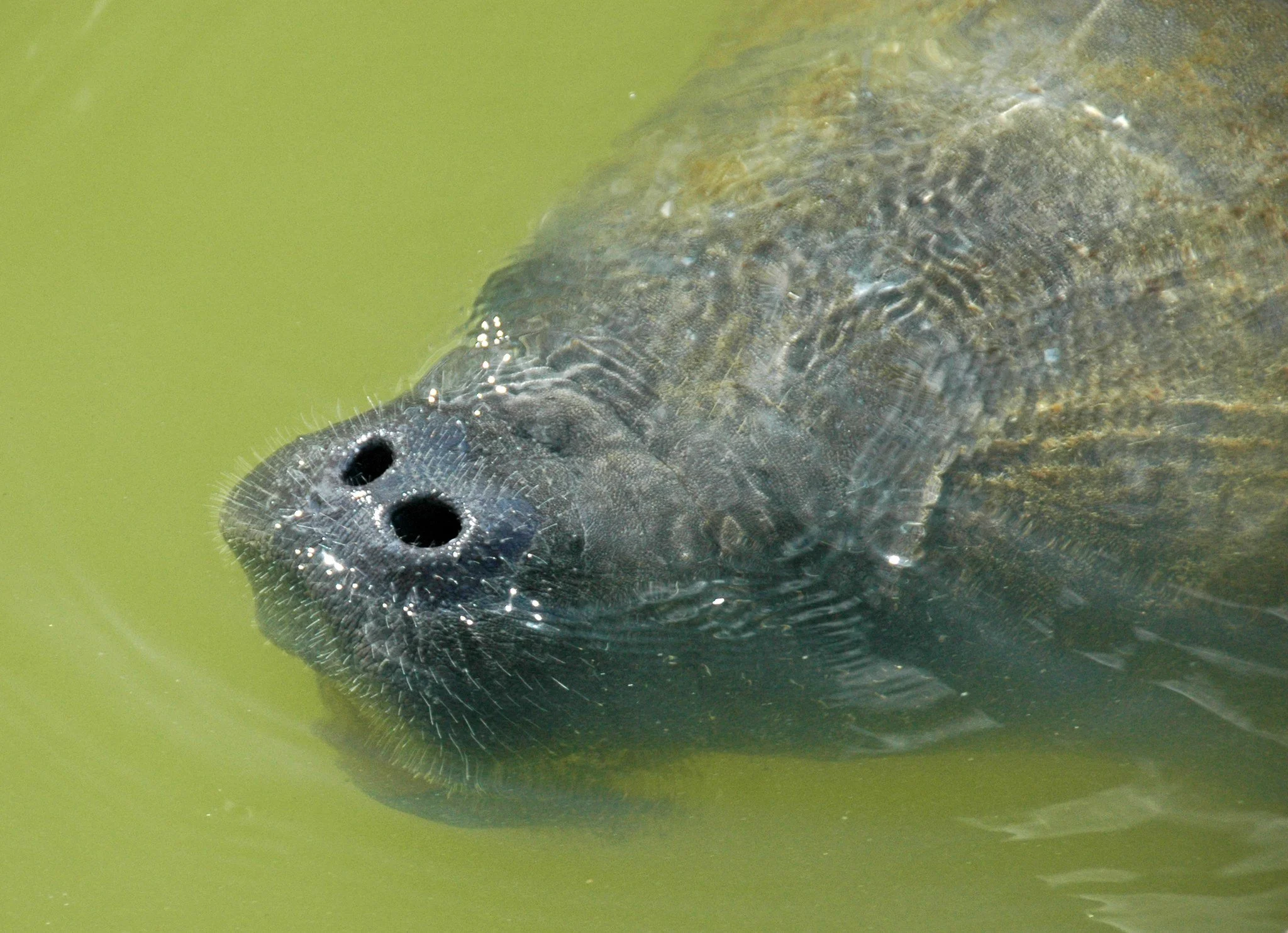
Photo: James St. John, CC BY 2.0, via Wikimedia Commons
2. Manatees: Gentle Giants of Florida's Waters
Florida manatees are another fascinating species found in the waters surrounding North Captiva Island.
These large, slow-moving marine mammals prefer relatively shallow coastal environments, including bays, estuaries, and sheltered waterways.
Manatees feed primarily on aquatic vegetation and may occasionally appear near docks or boats.
Although sightings aren't guaranteed, warmer months can offer opportunities to observe them in the region.
How to Spot Manatees Responsibly
Look for a rounded back breaking the water's surface or a large paddle-shaped tail. They are often spotted by the docks on Seair Lane.
If you're boating or kayaking, keep a safe distance and avoid disturbing animals that are resting or feeding.
Manatees are protected under federal and Florida law, so responsible wildlife viewing is especially important.
Seeing one from a distance can be a memorable experience for children and adults alike.
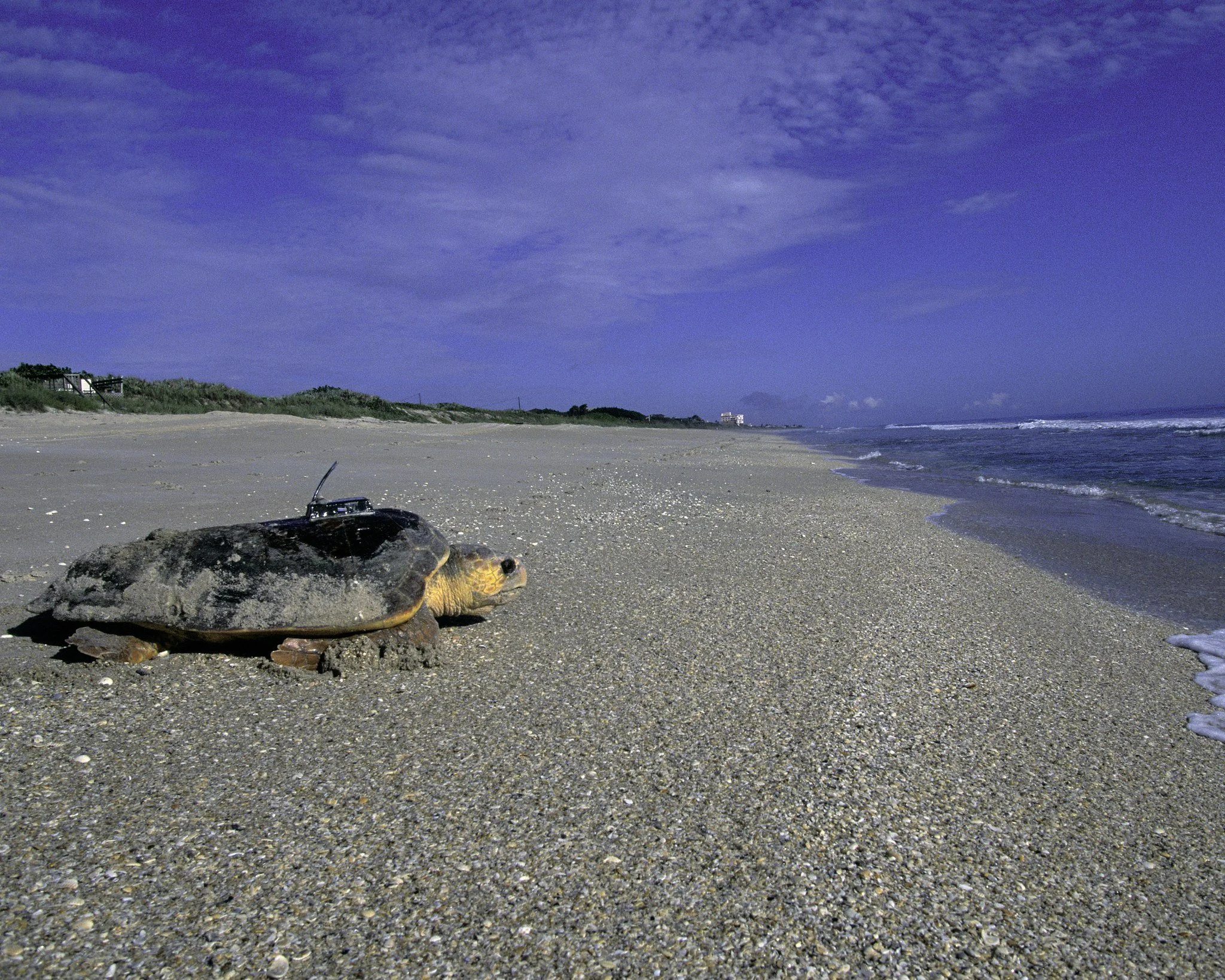
3. Sea Turtles: Seasonal Visitors to North Captiva Beaches
North Captiva Island's sandy beaches provide nesting habitat for sea turtles, especially loggerheads.
Florida's Gulf Coast supports important nesting populations, with females returning to suitable beaches to lay their eggs.
Sea turtle nesting season generally runs from May through October, although exact activity varies.
During this period, visitors may notice marked nests or turtle tracks in the sand.
Protecting Sea Turtle Nesting Areas
Visitors can help protect nesting turtles by following a few simple guidelines:
Keep beaches free of trash and obstacles.
Avoid using bright lights near nesting areas.
Never disturb marked nests or turtle tracks.
Fill holes and flatten sandcastles before leaving.
Observe turtles from a respectful distance.
Research published in Biological Conservation has documented how artificial lighting can interfere with sea turtle hatchlings' ability to orient toward the ocean.
For families visiting during nesting season, learning about sea turtle conservation can become an educational part of the vacation.
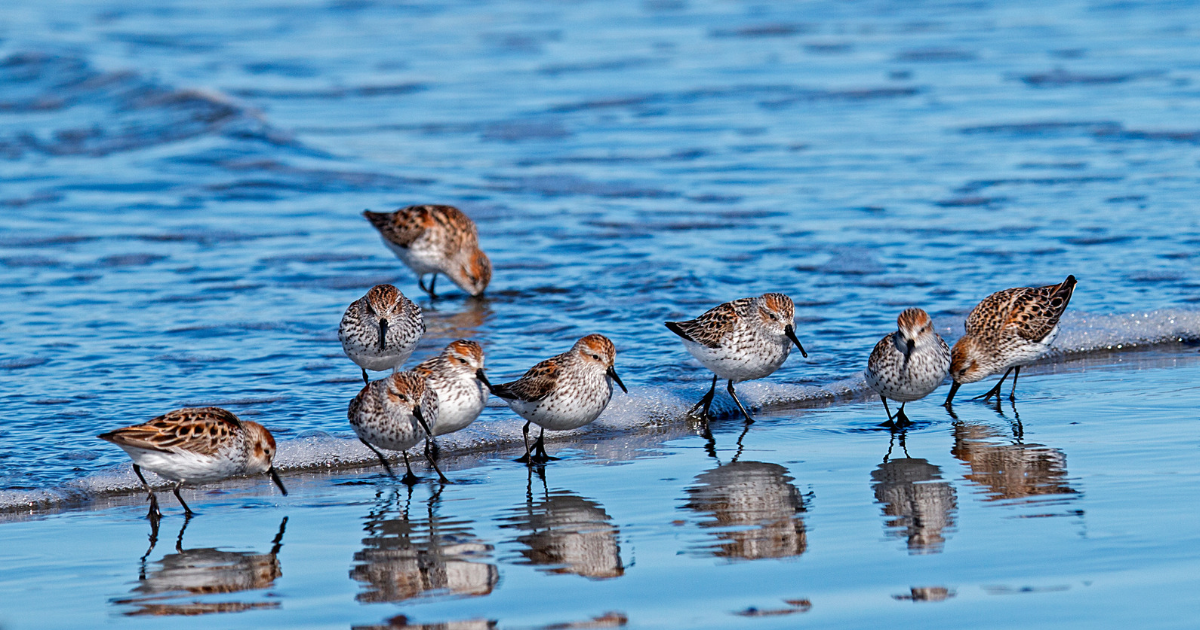
4. Shorebirds: Wildlife Along the Beach
North Captiva Island especially appeals to birdwatchers.
Its beaches, tidal flats, and coastal vegetation support numerous resident and migratory bird species.
While walking along the shoreline, you may encounter:
Brown pelicans: Large coastal birds that plunge into the water to catch fish.
Ospreys: Fish-eating raptors often seen flying above coastal waters.
Great blue herons: Tall wading birds that hunt in shallow water.
Snowy egrets: White wading birds with distinctive yellow feet.
Sandpipers: Small shorebirds that search the sand for food.
Royal terns: Coastal birds that frequently gather near beaches.
Early mornings and quieter periods can be particularly rewarding for birdwatching.
Bring binoculars if you have them, but you can appreciate many species without special equipment.
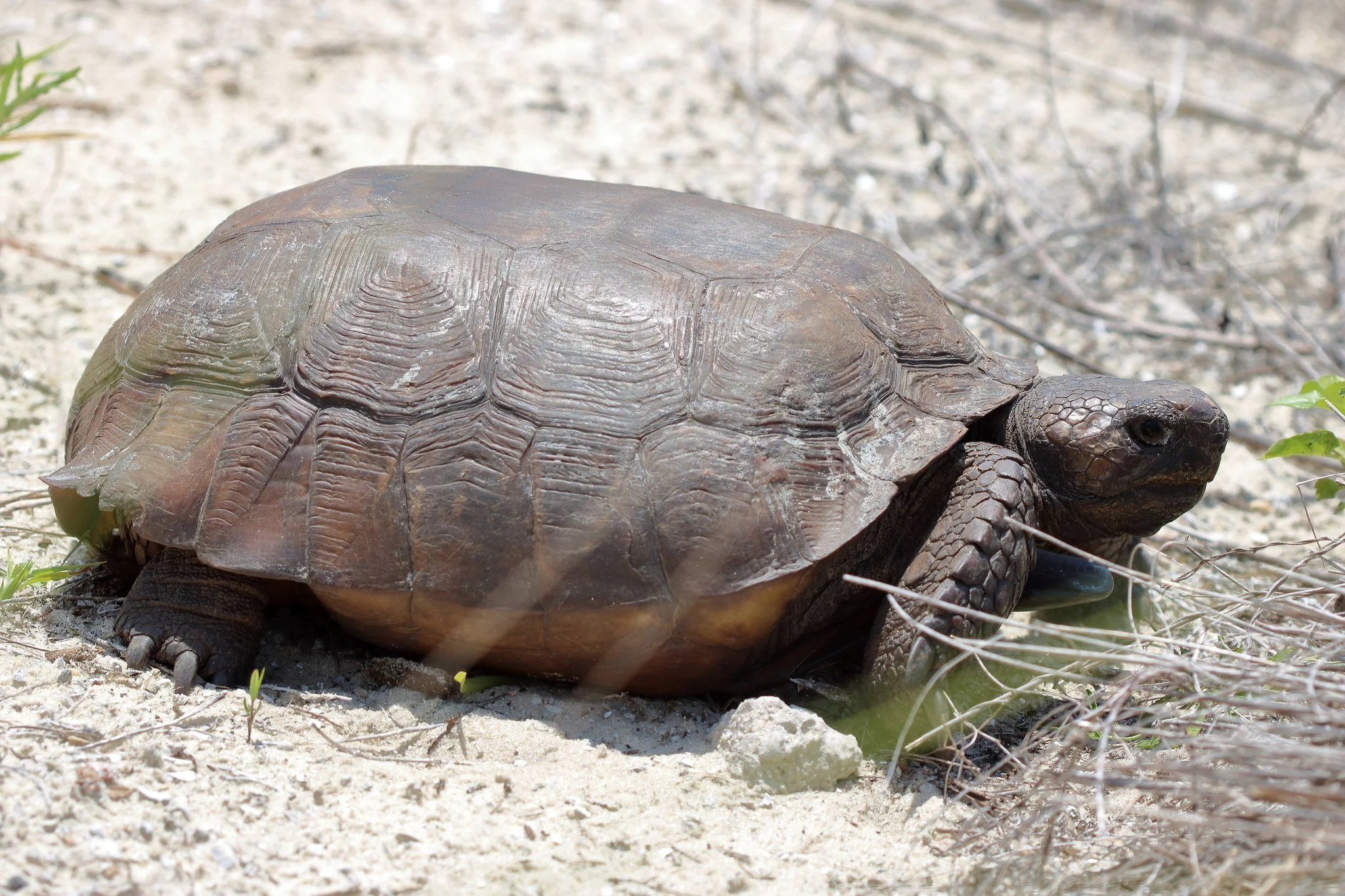
5. Gopher Tortoises: Important Residents of the Island
Not all North Captiva Island wildlife lives in the water.
The island is also home to gopher tortoises, which inhabit sandy areas, coastal scrub, and other suitable upland environments.
These reptiles dig extensive underground burrows that provide shelter for numerous other animals.
A Center for Biological Diversity press release has examined how gopher tortoise burrows support other species, highlighting the importance of these animals within their ecosystems.
If you encounter a gopher tortoise crossing a sandy path, give it space and allow it to continue undisturbed.
Gopher tortoises and their burrows are protected under Florida law.
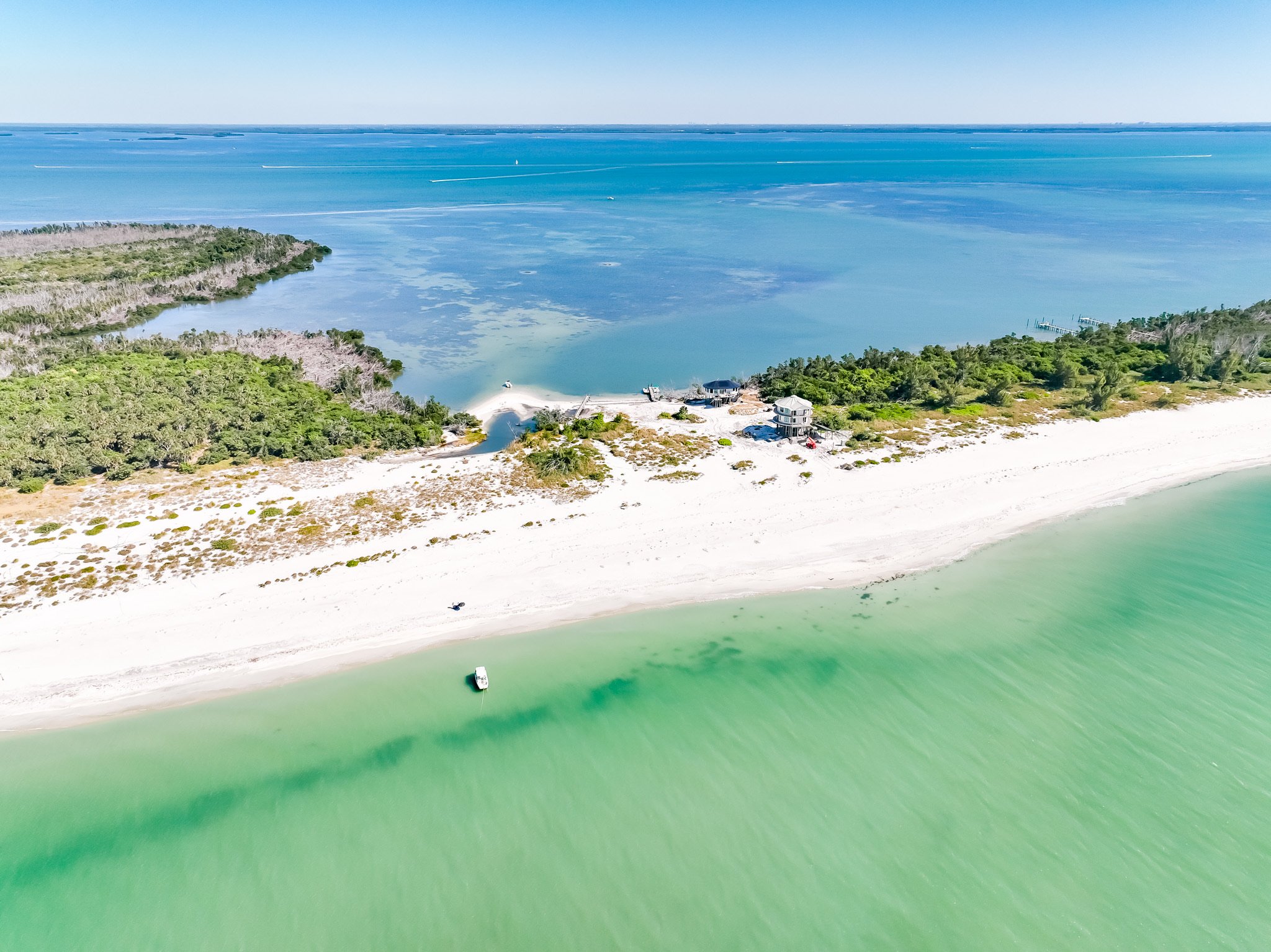
6. North Captiva Island State Preserve: Explore Natural Florida
For travelers who want to explore beyond the beach, North Captiva Island State Preserve offers a chance to experience the island's natural habitats.
Located on the island's middle-to-southern portion, this protected area features coastal vegetation, sandy trails, and undeveloped shoreline.
Visitors can walk, birdwatch, photograph, and observe native plants.
The preserve is particularly appealing to families who want a quiet outdoor activity without a complicated itinerary.
Bring drinking water, comfortable shoes, sunscreen, and insect repellent.
Stay on established trails and avoid disturbing plants or wildlife.
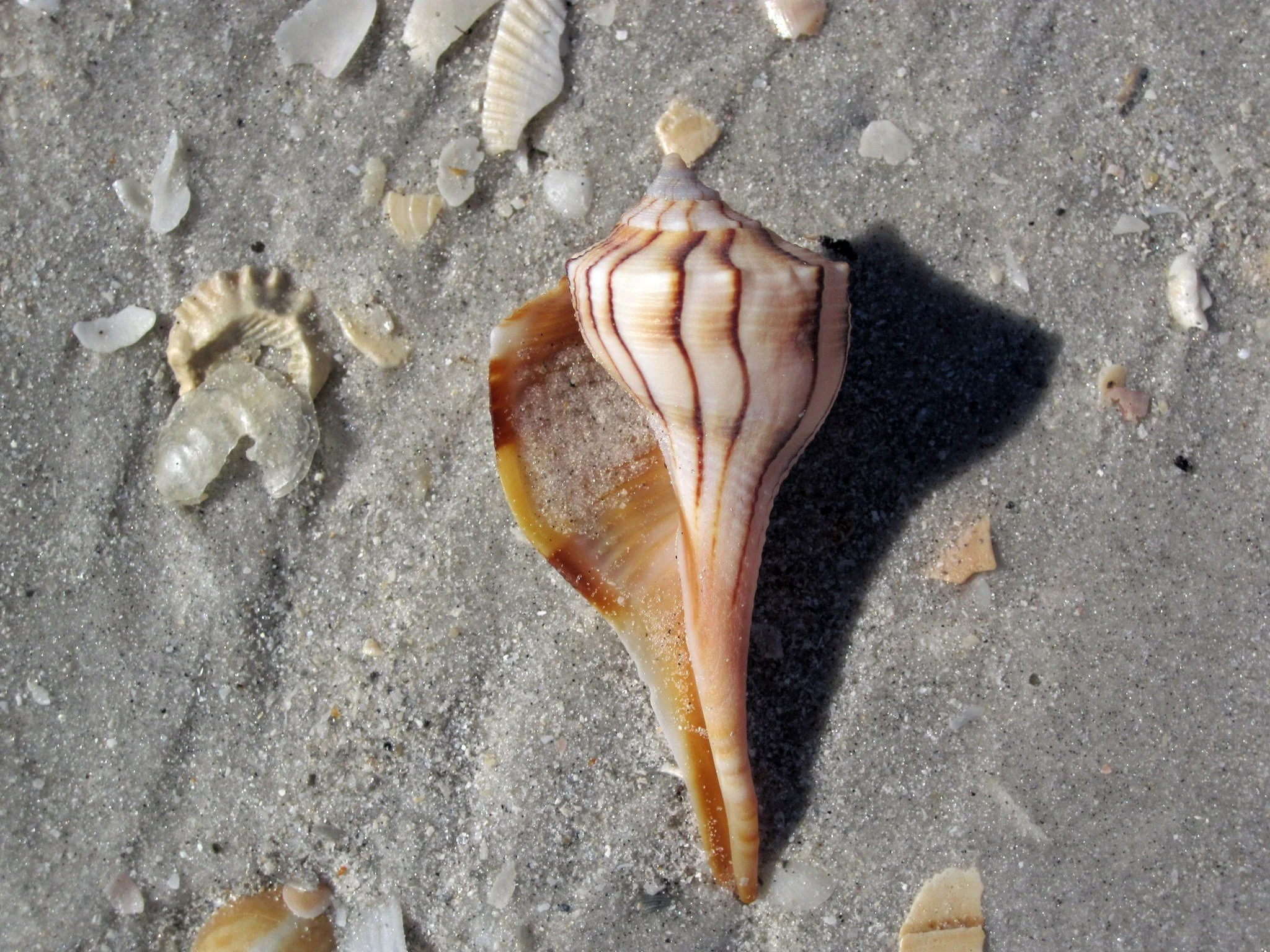
Photo: James St. John, CC BY 2.0, via Wikimedia Commons
7. Shelling and Coastal Marine Life
North Captiva Island is well known for shelling.
The Gulf's tides and currents regularly deposit shells along the shoreline, making beachcombing a favorite activity for visitors.
Depending on conditions, you might discover lightning whelks, fighting conchs, sand dollars, and other interesting shells.
Shelling also provides opportunities to learn about the animals that inhabit Florida's coastal waters.
Important
Never collect shells containing living animals. Leaving them undisturbed helps protect the island's marine ecosystem.
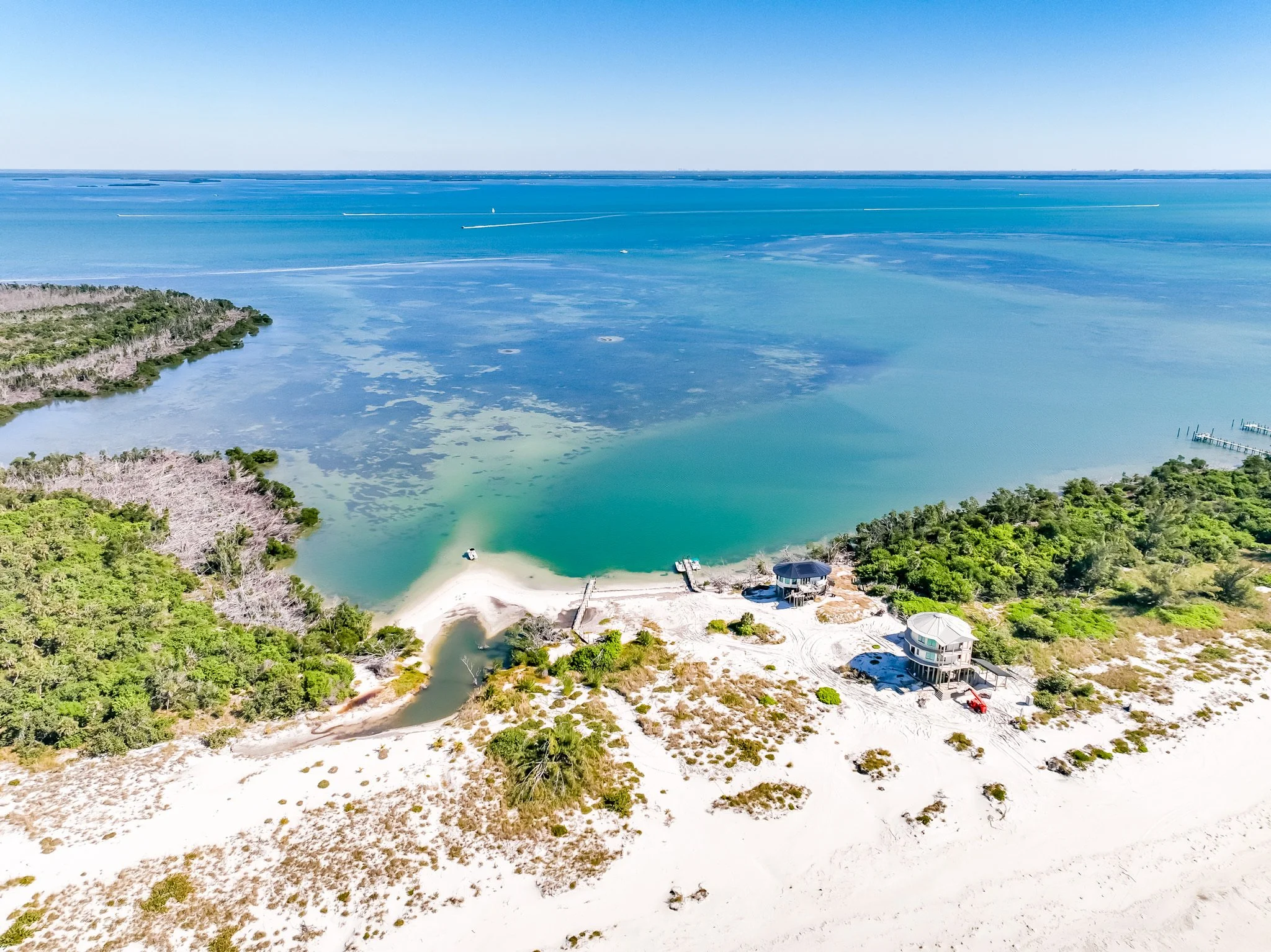
Experience North Captiva Island's Natural Beauty
Wildlife encounters are never guaranteed, but that uncertainty is part of what makes exploring North Captiva Island enjoyable.
One morning might bring dolphins offshore. Another could reveal an osprey carrying a fish or a gopher tortoise moving through the vegetation.
At Vanage Vacation Homes, guests can enjoy comfortable vacation accommodations close to North Captiva's beaches and natural attractions.
Our North Captiva homes offer convenient shoreline access, with golf carts available for exploring the island.
Whether you're planning a family vacation, a peaceful beach getaway, or a wildlife-watching adventure, North Captiva Island offers plenty to discover.
Explore our North Captiva Island vacation homes at www.stayvanage.com and start planning your next island escape.
