Shelling on North Captiva Island: When, Where & What to Look For
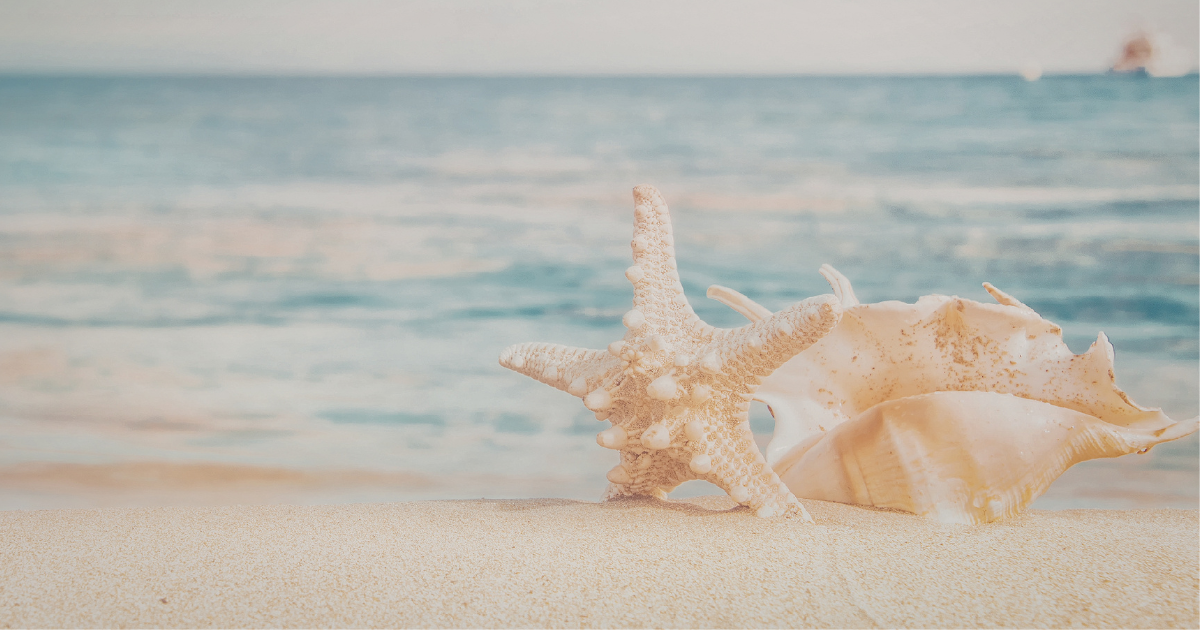
There’s a reason so many women return from North Captiva Island with a pocket full of shells and a story about the one that got away.
Shelling here isn’t rushed. It’s not crowded. And it doesn’t feel like a tourist activity. It feels like a ritual morning coffee in hand, toes in cool sand, scanning the tide line for something delicate and ancient.
If you’re planning a stay on North Captiva Island, this guide will help you know when to go, where to walk, and what to look for with a little science behind why the island is such a good place to search.
Why North Captiva Island Is Ideal for Shelling
North Captiva Island sits along Florida’s Gulf Coast barrier island chain. Its position in the Gulf of Mexico matters.
Barrier islands like North Captiva act as natural catch basins. Shells wash in from offshore sandbars and seagrass beds and collect along gently sloping beaches. According to coastal sediment research from the U.S. Geological Survey (USGS), shell deposits tend to accumulate where tidal energy slows and deposits organic material along shorelines.
Because North Captiva Island remains largely undeveloped and accessible only by boat or small plane, foot traffic is lighter than on neighboring Sanibel or Captiva Islands. Fewer crowds mean fewer picked-over stretches of sand.
For travelers who love beachcombing without competition, that alone makes a difference.
The Best Time of Day for Shelling
Timing matters more than luck.
1. Early Morning (Best Overall)
The hour just after sunrise is the most reliable time to find fresh shells. Overnight tides deposit new material before beach walkers arrive.
Low tide exposes more of the shoreline and sandbars, increasing your chances of finding intact shells.
Tip
Check local tide charts before your trip. Aim for low tide within an hour of sunrise if possible.
2. After a Storm
Wind direction and wave energy determine how many shells arrive. When winds come from the west or northwest, they push Gulf waters and shells toward the island. Even a mild storm system can dramatically increase shell deposits.
Marine biologists note that strong wave action dislodges mollusks and empties older shells from offshore beds. The result? A temporary but noticeable increase in shell variety along the tide line.
The Best Beaches on North Captiva Island for Shelling
One of the benefits of staying on North Captiva Island is that you’re never far from a quiet shoreline.
1. Gulf-Facing Beaches
The western shoreline is the most productive for classic Gulf shells. Walk parallel to the waterline and focus on the wrack line, the natural band of seaweed, driftwood, and debris left behind by receding tides.
Shells collect there because lighter organic matter slows wave energy.
2. Near Inlets and Points
Areas where water currents shift direction tend to trap heavier shell fragments and larger specimens. If you see a natural point or curve in the shoreline, spend extra time there.
3. Undisturbed Stretches
Because North Captiva Island has limited public infrastructure, much of the beach feels untouched. The farther you walk from the main access points, the better your odds.
Staying in a well-located vacation home allows you to step out early before anyone else reaches that stretch of sand.
What Shells You’ll Find on North Captiva Island
The Gulf Coast is home to over 250 species of shells. While you won’t find all of them on one walk, North Captiva Island consistently produces several favorites.
1. Lightning Whelk (Busycon sinistrum)
This is the prize for many collectors. Unlike most spiral shells, lightning whelks coil to the left (sinistral), making them easy to identify.
They’re heavy, often pale cream to gray, and can grow quite large.
2. Florida Fighting Conch (Lobatus alatus)
Recognizable by their warm orange or pink interior, these shells are common but beautiful. You’ll often find smaller, intact specimens along the tide line.
3. Coquina Clams
Small, colorful, and often found in clusters, coquinas range from purple to yellow to white. They live in the swash zone and are frequently deposited after wave action.
4. Sand Dollars
Always check that sand dollars are no longer alive before collecting. Living sand dollars are darker and covered with tiny moving spines. Florida regulations prohibit collecting live specimens.
What You Should (and Shouldn’t) Take
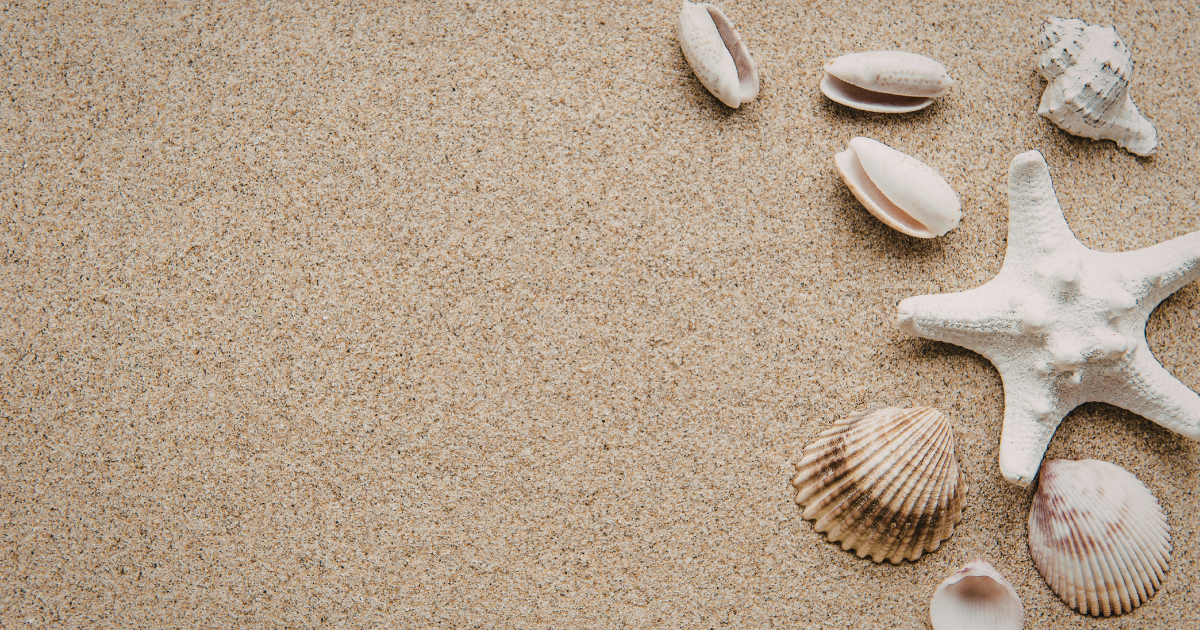
Florida law prohibits harvesting live shellfish without proper licensing. That includes live conchs and sand dollars.
If a shell contains an animal, gently return it to the water. Not only is it illegal to remove living mollusks, but empty shells play a role in coastal ecosystems by providing habitat for hermit crabs and other small organisms.
The Florida Fish and Wildlife Conservation Commission provides updated guidance on recreational shell collection. It’s worth reviewing before your visit.
Shelling should feel peaceful, not extractive.
What to Bring on a Shelling Walk
A small mesh bag (lets sand fall through)
Flip-flops or water shoes
A wide-brim hat
Reef-safe sunscreen
A tide chart screenshot
Avoid plastic buckets if possible. A soft bag is easier to carry on long walks.
Teaching Kids and Grandchildren About Shells
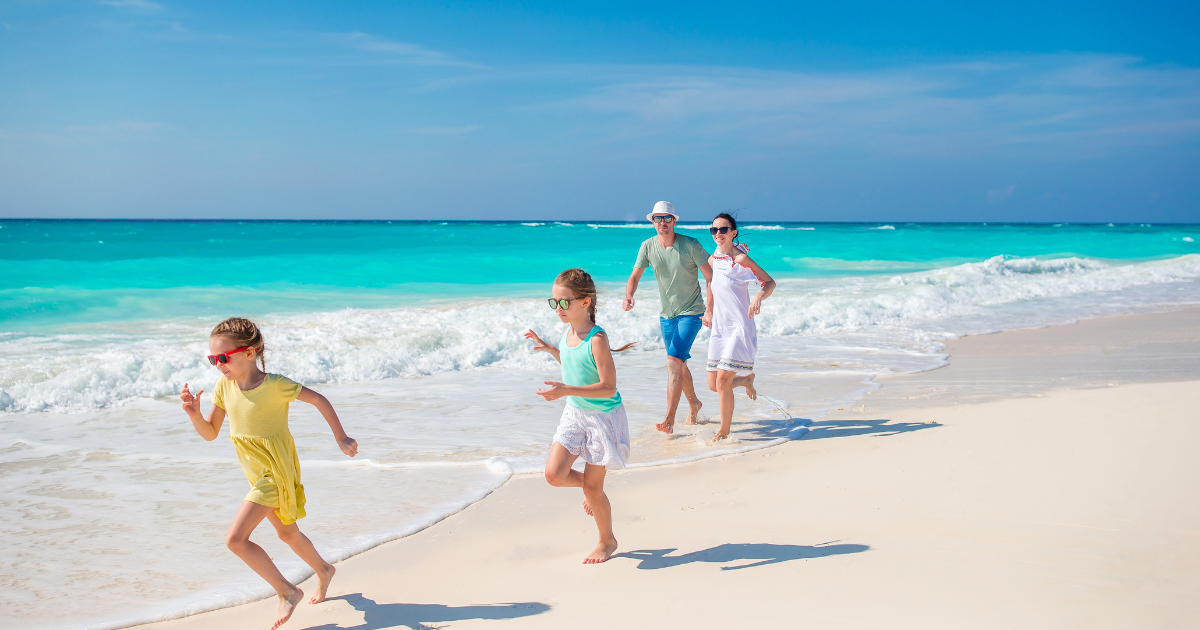
For many women visiting North Captiva Island, shelling becomes a multi-generational activity. It’s a quiet way to teach observation, patience, and respect for wildlife.
You can explain that shells are the exoskeletons of marine invertebrates. Mollusks secrete calcium carbonate layers to protect themselves, a process documented in marine biology research worldwide. When you find a spiral shell, you’re holding something that grew gradually over time, layer by layer, like tree rings.
Children tend to slow down when they understand that.
A Simple Shelling Routine for Your Stay
If you’re staying several nights on North Captiva Island, try this rhythm:
Day 1: Early morning walk to learn the shoreline.
Day 2: Return at lower tide for comparison.
After any windy day: Walk the wrack line again.
Final morning: One last quiet scan before breakfast.
You’ll notice patterns. Certain areas consistently produce more finds.
Why Staying on North Captiva Island Makes Shelling Better
Shelling rewards proximity.
When you stay on the island rather than commuting in for the day, you can walk the beach at sunrise or just after a storm without planning logistics.
Vanage Vacation Homes offers thoughtfully located properties on North Captiva Island, giving guests direct access to the peaceful shoreline.
That flexibility matters. The best shelling windows are often short.
Instead of fighting traffic or ferry schedules, you can step outside and start walking.
A Final Word on Slowing Down
Shelling on North Captiva Island isn’t about collecting the most shells.
It’s about noticing what the tide left behind.
You might find a perfectly intact lightning whelk. Or you might find a small coquina in an unexpected shade of lavender. Either way, the act of searching or walking slowly with intention tends to stay with people long after they leave.
If you’re planning a visit and want to experience the quieter side of the Gulf Coast, explore available homes athttp://www.stayvanage.com and consider staying directly on North Captiva Island. The tide will continue to bring new treasures. The question is whether you’ll be there early enough to see them.
